Introduction: The Weight of Wrongdoing
Every human being, at some point in life, stumbles. Some mistakes are minor, easily forgotten with time, while others leave deep scars—on the self, on others, and on the fabric of society. When a person commits a sin, a transgression, or even a crime, the weight of their actions can feel unbearable. But does a single moment, or even a series of wrongful choices, define a person’s entire worth? Is wrongdoing the end of the road, sealing one’s fate forever? Or is there still a possibility for redemption, healing, and acceptance?
Society, by its nature, often views individuals through the lens of their worst moments. A single misstep can overshadow a lifetime of good deeds, and judgment can be swift and merciless. This is especially true in an era where mistakes are publicly scrutinized, and forgiveness seems harder to come by. However, human nature is far more complex than a binary of good and evil. The person who has wronged and the person who has suffered are both part of a deeply intertwined story—one filled with pain, emotions, and the possibility of transformation.
For the wrongdoer, guilt can be suffocating, an endless spiral of self-recrimination and despair. They may wrestle with regret, self-hatred, and the paralyzing fear of never being accepted again. For the sufferer, the weight of betrayal and hurt can be equally overwhelming, leaving behind wounds that take time, and sometimes a lifetime, to heal. Can these two paths ever find reconciliation? Can accountability and forgiveness coexist?
Understanding the Emotional Turmoil
For the Wrongdoer: The Cycle of Guilt and Shame
- Guilt – The immediate realization of having caused harm can be overwhelming. A person might feel remorse, wishing they could undo their actions.
- Shame – Unlike guilt, which focuses on the act, shame attacks one’s identity. It creates a self-perception of unworthiness.
- Fear of Rejection – Many wrongdoers fear being cast out by society, family, or faith communities.
- Seeking Forgiveness – There’s often an inner yearning to seek forgiveness, from the victim, society, or a higher power.
- Despair or Hope? – Some fall into hopelessness, believing they are irredeemable. Others take the path of repentance and change.
For the Sufferer: The Battle with Pain and Anger
- Betrayal and Hurt – Whether it’s a crime, a lie, or a moral failing, victims feel deeply wounded.
- Anger and Resentment – A natural response, but when left unchecked, it can consume one’s peace.
- The Need for Justice – Victims want accountability, not just an apology.
- The Dilemma of Forgiveness – Is forgiveness possible? Is it deserved? Can one move forward without it?
- The Struggle for Healing – True healing is not just about forgetting but processing the pain constructively.
Does Society Accept Wrongdoers?
Society tends to be harsh toward those who have done wrong, especially when the wrongdoing is public. Some people believe that those who have committed sins or crimes do not deserve a second chance. Others advocate for rehabilitation and believe in the possibility of change.
- Cancel Culture vs. Redemption Culture – Are we punishing people indefinitely, or are we allowing room for growth?
- Religious and Cultural Views – Many spiritual traditions, including Islam, Christianity, and Buddhism, emphasize redemption and transformation.
- Legal and Social Reintegration – While laws provide consequences, should they also support reform and reintegration?
The Religious Perspective on Redemption and Forgiveness
Islamic Teachings on Repentance and Mercy
Islam teaches that no sin is beyond forgiveness if one sincerely repents.
- Allah’s Mercy is Greater than Any Sin – “Say, ‘O My servants who have transgressed against themselves [by sinning], do not despair of the mercy of Allah. Indeed, Allah forgives all sins. Indeed, it is He who is the Forgiving, the Merciful.’” (Qur’an 39:53)
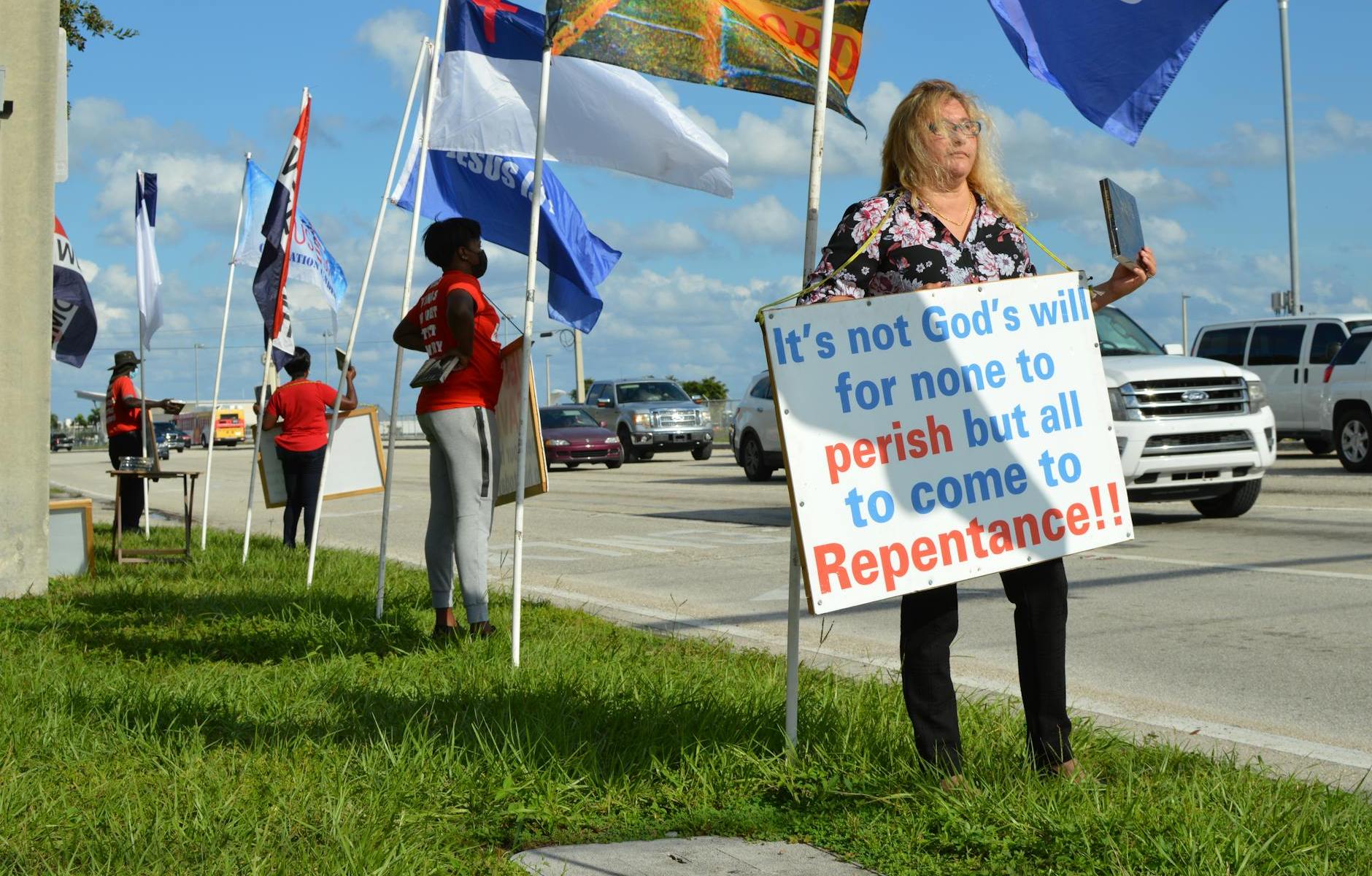
- The Concept of Tawbah (Repentance) – Sincere repentance requires remorse, stopping the wrongdoing, and committing to change.
- Justice and Forgiveness – Islam balances justice with forgiveness, encouraging victims to forgive if possible but also upholding their right to justice.
Christianity: The Power of Grace
Christianity emphasizes grace and redemption.
- The parable of the Prodigal Son (Luke 15:11-32) illustrates God’s boundless mercy.
- Forgiveness is a central teaching: “If you forgive others their trespasses, your heavenly Father will also forgive you.” (Matthew 6:14)
Buddhism: The Path of Transformation
Buddhism teaches that actions (karma) shape our future but also that transformation is always possible.
- Mindfulness and self-awareness help in breaking the cycle of wrongdoing.
- Forgiveness is seen as essential for inner peace.
How to Overcome Guilt and Move Forward
For the Wrongdoer: Steps Toward Redemption
- Acknowledge and Accept Responsibility – Own up to the mistake without justifying it.
- Sincere Repentance – Apologize, not just in words but through actions.
- Make Amends Where Possible – Seek to repair the harm caused.
- Commit to Change – Reflect, learn, and take concrete steps toward self-improvement.
- Seek Spiritual or Emotional Guidance – Connect with faith, therapy, or community support.
- Forgive Yourself – Self-forgiveness is crucial for moving forward.
For the Sufferer: Steps Toward Healing
- Acknowledge the Hurt – Don’t suppress emotions; process them healthily.
- Set Boundaries – Forgiveness does not mean tolerating further harm.
- Seek Justice if Needed – Healing doesn’t require ignoring justice.
- Find Support – Talk to a trusted friend, counselor, or spiritual guide.
- Consider Forgiveness for Your Own Peace – Even if reconciliation is impossible, letting go of anger can be freeing.
A Thought-Provoking End: Where Do We Go from Here?
Wrongdoing is not the end of the world, but it does require a conscious effort to heal, change, and grow. Both wrongdoers and those who suffer from their actions face emotional turmoil, yet healing is possible through accountability, repentance, and forgiveness.
Questions for Reflection:
- Do you believe in second chances? Why or why not?
- What role should society play in rehabilitating those who have done wrong?
- How do you personally navigate forgiving someone who has hurt you?
- If you’ve made mistakes in the past, what steps helped you move forward?
- Can justice and mercy coexist, or are they in opposition?
Let’s discuss in the comments and explore different perspectives!
If you like my work and if you would like to support my blogs, vlogs and charity fundraising efforts please send your generous donations to below link:
https://www.paypal.com/ncp/payment/3RDGBHPDFLEX4
https://www.amazon.com/author/penbyzee